
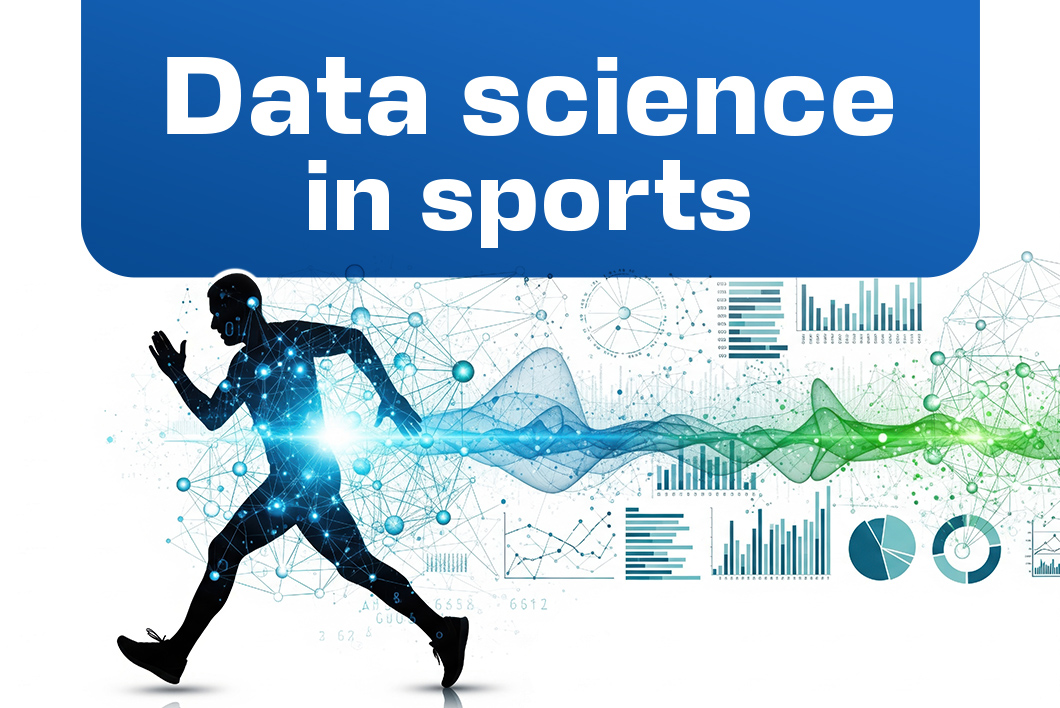


Data Science in Sports: How Analytics is Changing the Game
The roar of the crowd, the thrill of competition, the glory of victory—sports have always captivated us with raw athleticism and human drama. But behind the scenes of modern sports, a quieter revolution is taking place. Data scientists are transforming how teams strategize, how athletes train, and even how fans experience the games they love. Welcome to the era of sports analytics, where every play, every movement, and every decision is measured, analyzed, and optimized.
The Moneyball Revolution: Where It All Began
The story of data science in sports gained mainstream attention with "Moneyball," the tale of how the Oakland Athletics baseball team used statistical analysis to compete against wealthier rivals. By identifying undervalued players through data rather than traditional scouting, they proved that smart analytics could level the playing field.
What started as a radical experiment in baseball has become standard practice across all major sports. Today, every professional team employs data scientists, and the insights they generate influence everything from draft picks to in-game tactics. The question is no longer whether to use data, but how to use it better than your competitors.
Player Performance: Measuring What Matters
Modern athletes are walking data generators. Wearable sensors track heart rate, acceleration, deceleration, jump height, and dozens of other metrics during training and competition. GPS devices monitor positioning and distance covered. Computer vision systems analyze biomechanics and technique. The result is an unprecedented understanding of athletic performance.
In basketball, player tracking systems capture every movement on the court, measuring not just points scored but shooting efficiency from specific locations, defensive positioning, and even the quality of passes. Teams use this data to identify players' strengths and weaknesses, optimize lineups, and develop game plans tailored to exploit opponents' vulnerabilities.
Soccer analytics have evolved beyond simple statistics like goals and assists. Expected Goals (xG) models calculate the probability that a shot will result in a goal based on factors like distance, angle, defensive pressure, and assist type. These models help teams evaluate player performance more accurately, identifying players who consistently create high-quality scoring chances even if the goals haven't materialized yet.
In tennis, data science analyzes serve patterns, shot placement, and movement efficiency. Players and coaches use these insights to develop match strategies, knowing precisely where opponents are most vulnerable and which tactics have historically proven successful against specific playing styles.
American football has embraced analytics particularly enthusiastically. Teams analyze everything from optimal play calling in different situations to player fatigue patterns that predict injury risk. The sport's structured nature —discrete plays with clear outcomes—makes it ideally suited for statistical analysis.
Injury Prevention: Keeping Athletes in the Game
Injuries are the nightmare of every athlete and team. Data science is becoming a powerful tool for predicting and preventing them. By analyzing patterns in training load, biomechanics, and physiological data, machine learning models can identify when athletes are at elevated risk for injury.
Professional soccer teams monitor player workload meticulously, tracking not just total distance but highintensity running, sprints, accelerations, and decelerations. When an athlete's load spikes or their movement patterns change in ways associated with injury risk, sports scientists can intervene with modified training or rest.
Wearable technology provides real-time feedback during training. If a pitcher's arm angle changes in a way that increases injury risk, coaches receive immediate alerts. If a runner's gait becomes asymmetric—often a sign of developing injury—they can address the issue before it becomes serious.
The financial implications are enormous. In professional sports, injured star players can cost teams millions in lost performance and medical expenses. Preventing even a handful of injuries per season can provide significant return on investment in analytics infrastructure.
Rehabilitation is also being transformed by data. Recovery protocols can be personalized based on individual athlete data, and machine learning models help predict when athletes are truly ready to return to competition, reducing the risk of re-injury.
Talent Identification: Finding the Next Superstar
Scouting used to rely heavily on subjective evaluations and gut feelings. Data science is making talent identification more systematic and accurate. Teams now use predictive models to evaluate amateur and youth players, projecting how their skills might develop and translate to higher levels of competition.
In soccer, clubs analyze youth players across multiple dimensions—technical skills, physical attributes, game intelligence, and even personality traits. Machine learning models trained on data from thousands of players can identify which young athletes have the highest probability of succeeding professionally.
Basketball teams use college statistics combined with physical measurements and psychological assessments to project NBA success. These models have become sophisticated enough to identify players who were overlooked by traditional scouting, finding hidden gems in lower-profile programs or international leagues.
Cricket has embraced analytics for talent identification globally. With matches generating vast amounts of structured data, teams can identify promising players from leagues around the world, analyzing their performance against varying levels of competition and in different conditions.
The democratization of data has also changed player development. Amateur athletes can now access tools that were once available only to professionals, tracking their own performance and comparing it against benchmarks to guide their training.
Game Strategy: Data-Driven Decision Making
In-game decision making is being revolutionized by real-time analytics. Coaches have access to tablets and screens displaying live statistics, helping them make informed decisions about substitutions, tactics, and play calling.
Basketball coaches use shot charts showing players' shooting percentages from different court locations, adjusting defensive schemes accordingly. They analyze opponent tendencies in specific game situations—what plays they favor when trailing late in the game, which players they go to in clutch moments.
In cricket, data science helps captains with field placement decisions, bowling changes, and batting orders. Analysis of historical data reveals patterns in how batsmen respond to different bowling styles and fielding configurations, allowing for evidence-based tactical adjustments.
American football teams use analytics to make crucial fourth-down decisions. Traditional wisdom often favored punting or kicking field goals, but data analysis has shown that going for it on fourth down is often the higherpercentage play. Teams increasingly trust the numbers over conventional wisdom.
Tennis players and coaches analyze opponent serving patterns, return positions, and rally structures to develop match strategies. Knowing that an opponent serves to the forehand 70% of the time on break points or struggles with backhand returns down the line provides tactical advantages.
Fan Engagement: Enhancing the Experience
Data science isn't just changing sports for teams and athletes—it's transforming the fan experience too. Advanced statistics make games more engaging for analytically-minded fans, while predictive models and fantasy sports create new ways to interact with sports.
Broadcasters use data visualization to tell richer stories during games. Real-time graphics show sprint speeds, shot trajectories, and probability estimates, helping viewers understand the game at a deeper level. Augmented reality displays overlay statistical information onto live footage, making data accessible and entertaining.
Fantasy sports have become a multi-billion dollar industry built entirely on data science. Millions of fans use statistical projections to make lineup decisions, engaging with sports data on a weekly basis. The rise of daily fantasy sports has made data analysis even more immediate and accessible.
Sports betting, now legal in many jurisdictions, relies heavily on data science for odds setting and prediction. While controversial, the intersection of sports analytics and betting has driven innovation in predictive modeling and real-time data processing.
Social media analytics help teams understand their fan base, optimize content strategy, and even inform merchandise and ticket pricing decisions. Teams analyze which types of content generate the most engagement and when their fans are most active online.
Emerging Technologies: The Next Frontier
The future of sports analytics is being shaped by cutting-edge technologies. Computer vision and machine learning are enabling automated analysis of game footage, eliminating the need for manual tagging of events. Systems can now watch games and automatically generate detailed statistics about player movements, tactical formations, and event sequences.
Virtual reality combined with data analytics is creating new training tools. Athletes can practice against virtual opponents programmed with real game data, experiencing realistic game situations repeatedly to develop pattern recognition and decision-making skills.
Biometric data is becoming more sophisticated. Teams are beginning to monitor not just physical metrics but also cognitive load, stress levels, and even sleep quality. Understanding the relationship between these factors and performance could unlock new performance optimization strategies.
Edge computing and 5G networks are enabling real-time analytics during competition. Instead of analyzing data after games, teams can receive insights instantly, potentially influencing in-game decisions with greater precision than ever before.
Artificial intelligence is being applied to generate entirely new performance metrics and insights that humans might never have conceived. Machine learning models can identify subtle patterns in data that correlate with success, suggesting novel approaches to training and strategy.
Career Opportunities: Join the Team
The sports analytics industry has created diverse career opportunities for data science professionals. Professional sports teams employ analysts, data engineers, visualization specialists, and data scientists. These roles combine technical skills with passion for sports, offering the chance to work in an exciting and competitive industry.
Sports analytics companies provide services to teams, leagues, and media organizations. These companies need professionals who can collect data, build predictive models, create visualization tools, and translate insights into actionable recommendations.
Leagues and governing bodies employ data scientists to enhance officiating, improve competitive balance, and analyze the evolution of their sports. These organizations need professionals who can handle massive datasets and answer complex questions about how their sports are played and consumed.
Media companies and broadcasters hire analysts to enhance coverage with statistical insights and visualizations. Gaming companies developing sports video games need data scientists to ensure their simulations are realistic and engaging.
The skills required span multiple disciplines. Statistical knowledge is fundamental, but sports analysts also need programming skills (typically Python or R), database expertise, data visualization abilities, and strong communication skills to explain insights to coaches and executives who may not have technical backgrounds.
The Competitive Edge
In modern sports, the margin between winning and losing is razor-thin. Data science provides the competitive edge that separates champions from also-rans. Teams that effectively leverage analytics can make better personnel decisions, reduce injuries, optimize training, and execute superior game plans.
The democratization of data has raised the competitive floor—basic analytics are now standard across all professional sports. The advantage goes to organizations that can generate unique insights from data, ask better questions, and integrate analytics seamlessly into their decision-making processes.
Some teams have built data science into their organizational culture, where analytics inform decisions at every level. Others still struggle to translate insights into action, with resistance from traditionalists who prefer intuition and experience over statistical models. The teams that successfully bridge this gap, combining traditional expertise with analytical rigor, tend to be the most successful.
Challenges and Ethical Considerations
Despite its promise, sports analytics faces challenges. Data privacy is a growing concern as teams collect increasingly personal information about athletes. Questions about who owns player data and how it can be used remain unresolved.
The interpretation of data requires expertise and context. Statistics can be misleading if applied incorrectly, and over-reliance on data without considering qualitative factors can lead to poor decisions. The art of sports analytics lies in knowing when to trust the numbers and when human judgment should prevail.
There's also concern about competitive balance. Wealthier teams can invest more heavily in analytics infrastructure, potentially widening the gap between rich and poor organizations. However, the Moneyball story reminds us that smart use of data can sometimes compensate for financial disadvantages.
The quantification of sports raises philosophical questions too. Some worry that excessive analysis removes the magic and spontaneity from sports, reducing beautiful games to mere numbers. Finding the balance between analytical insight and the human drama that makes sports compelling is an ongoing challenge.
The Future of Sports is Data-Driven
As data collection becomes more comprehensive and analytical techniques more sophisticated, the role of data science in sports will only grow. The next generation of champions will be those who best combine athletic talent with analytical insight.
For aspiring data scientists, sports analytics offers a unique opportunity to apply technical skills in a field that millions of people care passionately about. Whether you're developing injury prediction models, optimizing training programs, creating fan engagement tools, or building the next generation of performance analytics, you'll be shaping the future of sports.
The game has changed, and data science is the new playbook. The question is: are you ready to step onto the field?
Passionate about sports and data science? Explore our programs in data analytics, machine learning, and AI— where you'll gain the skills to pursue a career at the exciting intersection of sports and technology.


 How can I help you?